Introduction Agriculture extension officer has a pivotal role in agriculture sector of any country. However, in case of developing countries, the role of agriculture extension office increases many folds. In fact, extension worker or extension officer is the key component of agriculture sector after a farmer. This is because of his nature of duties that
Introduction Principles in any field of knowledge provide the foundation stone of laws and manners of carrying out research and development activities in a systematic way to achieve the desired goals and objectives. In agricultural extension, there are also certain principles on which the subject matter is based on. These principles guide the agricultural extension
Introduction Agriculture sector is the backbone of economy for many nations especially in the third world. In addition to this, the sector is also the sole responsible for ensuring food security globally. So the importance of agriculture is of core importance for developed as well as for underdeveloped nations. As we all know, agriculture has
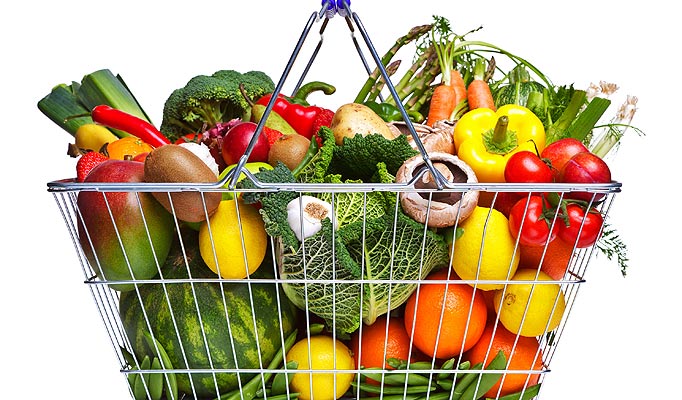
Introduction In part 1 of Horticultural Classification of Vegetables in Agriculture, it was presented that, vegetables are classified into 4 groups. This classification is based on a set criterion to understand, study and deal with each vegetable according to its peculiar requirements. The four classes were; Botanical features Life cycle Adaptation Edible and Economic Part
Introduction In agriculture sciences, there exists a proper system of classification for vegetables. The reason is to understand, study and deal with each vegetable according to its peculiar requirements. This article will discuss the horticultural classification of vegetables in agriculture. In general, vegetable are classified into 4 classes based on; Botanical features Life cycle Adaptation
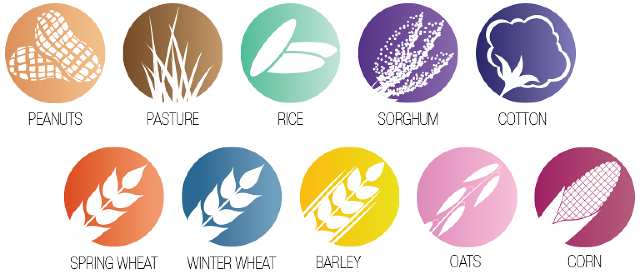
Introduction Like agronomic classification, crops are further classified into two categories based on season and special purpose for which they are grown. This kind of classification allows easy understanding of crops, characteristics and their use accordingly for the agriculture students and knowledge seekers. This article is the extension of the previous article that presented 10
Introduction There are hundreds of crops grown in agriculture sector. These crops are grouped together or more precisely classified into various categories based on agronomic classification, seasonal classification special purpose classification etc. The purpose of these classifications is to learn about the agriculture crops more deeply and accurately to judge their characteristics so that best
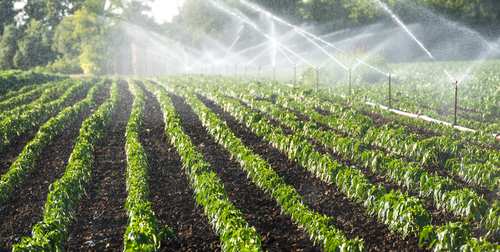
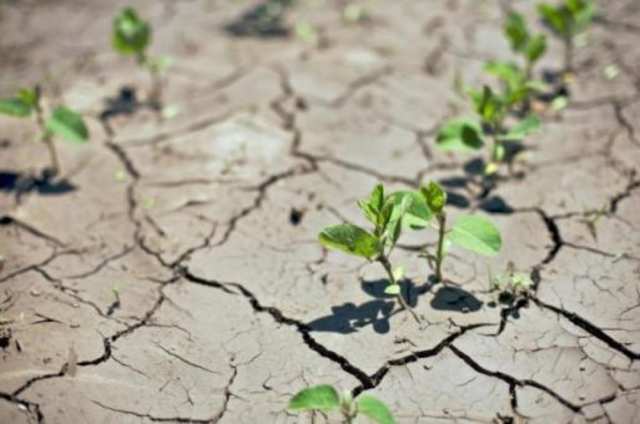
Introduction Water is a jewel for arid agriculture farmers. Rainfall being the chief source of water for cropping purposes in these areas is precious. Arid areas are characterized by very low rainfall (less than 100mm as defined by FAO) high temperature and barren land. Even after the rainfall, the rate of evaporation and evapo-transpiration from
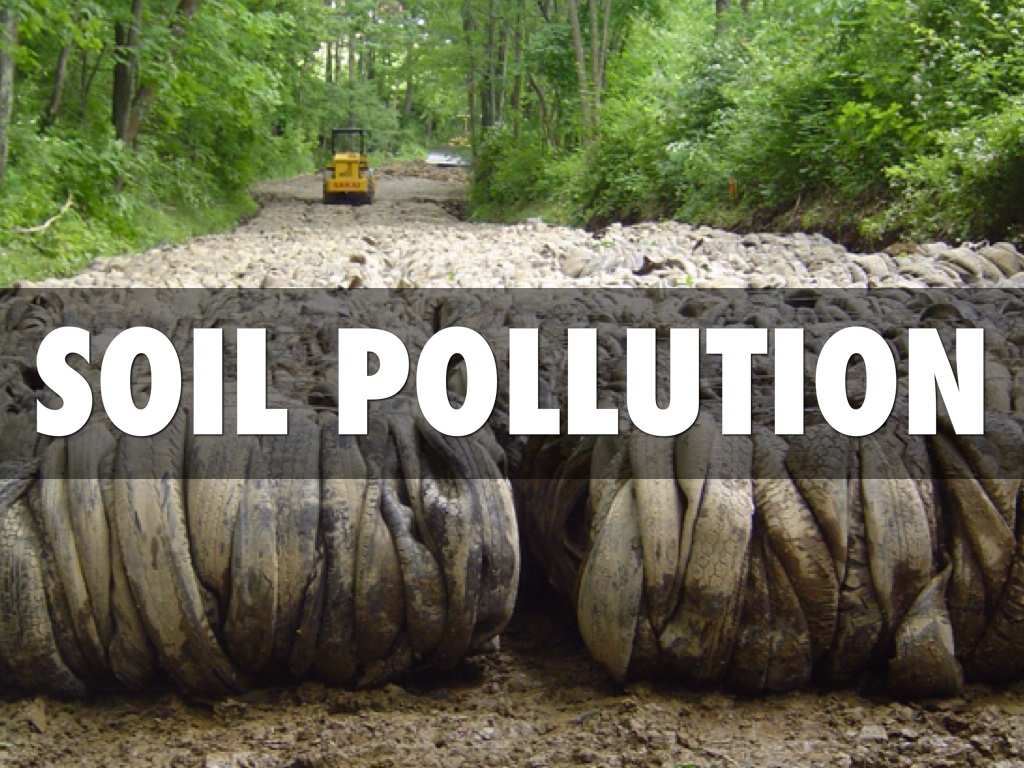
Introduction Soil pollution is a condition in which soil become rich in pollutants, contaminants and toxic materials and it poses threat to human life, agriculture, animals and other macro and microorganisms. In other words, soil pollution is the beginning of death of soil, failing to sustain any kind of production in terms of agriculture and
Introduction In Arid Agriculture or dryland farming systems, selection of proper crop is critical to generate healthy revenue. For selection of appropriate crop for your farm, there are numerous factors to be considered before actually entering into farming business. While farmers of irrigated land may select their crops on the basis of profitability, a dryland