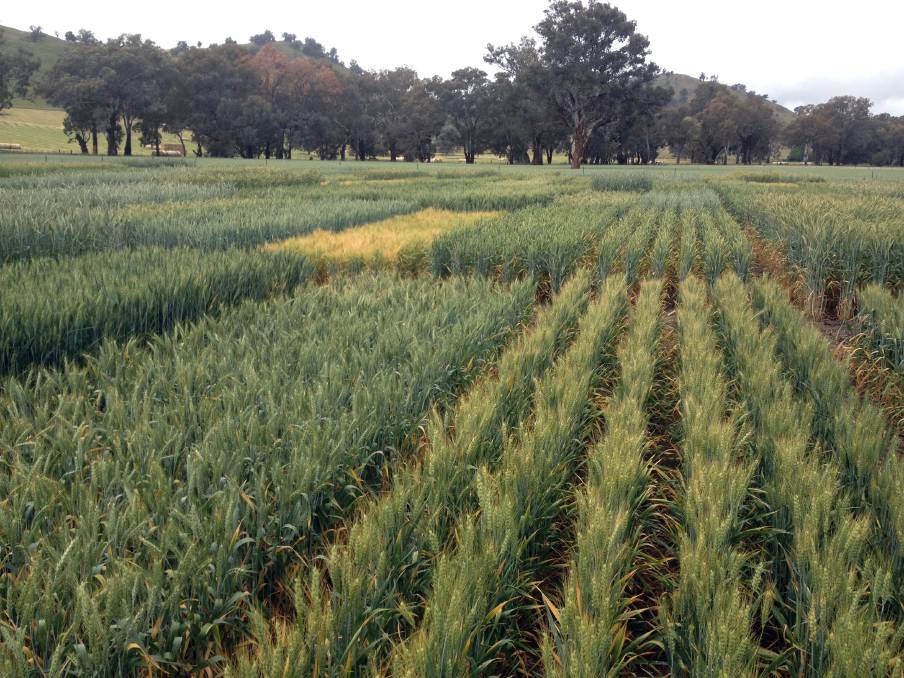
Introduction Agriculture crop classification on life cycle basis is another method of classifying crops in agriculture. in this kind of classification, the crops are classified on the basis of the time they take to complete their life cycle. Some crops take short term period to complete life cycle from sowing to harvesting and some need
Introduction The word Entomology is derived from a Greek word “entomone” and “logia”. If we look at the meaning of these two words, “entomone” means insects while “logia” meaning the study. Keeping this in view, we can define entomology as the branch of zoology that deals with the scientific study of insects. Furthermore, entomology also
Introduction Pest management has always taken important position while planning and organizing farm management. Climate change has introduced many new kinds of pest that didn’t exist before or not present in a particular place, but they have got suitable climatic condition now. This has increased the responsibilities of agriculturists all-round the globe to find against
Introduction Weeds are always a piece of headache for the farming community all over the world. This plant not only competes for the nutrients in the soil with the main crops in the field but also cause serious damage to the health of plants. In agriculture, great attention has been devoted to curtail the growth
Introduction In agriculture, crop rotation refers to growing of crops that are different from each other in successions on farm field in a specific period of time. In other words, it is growing of dissimilar crop or no crop during sequential seasons on the same of piece of land. The objective of crop rotation is
Introduction In agriculture field, specifically in agronomy, there are various crops that are grown with a special purpose under certain circumstances. As these crops have to serve a special purpose, so they are termed as special purpose crops. These special purpose crops crops have great importance in agriculture not only because they provide food for
Introduction An outline about tillage is given in Introduction to Soil Tillage and further, Objectives of Tillage were presented in previous article. This article deals with the two categories of tillage based on the ‘time of requirement’ or seasonal requirement. These are; On Season Tillage Off-Season Tillage 1. On-Season Tillage On-Season tillage is carried out
Introduction Tillage is the mechanical manipulation of soil to prepare it for crop cultivation by creating a favorable enabling environment for proper plant growth. It is carried our both by manually and mechanically. This is discussed in An Introduction to Soil Tillage. This article is going to highlight objectives of tillage . Objectives of Tillage
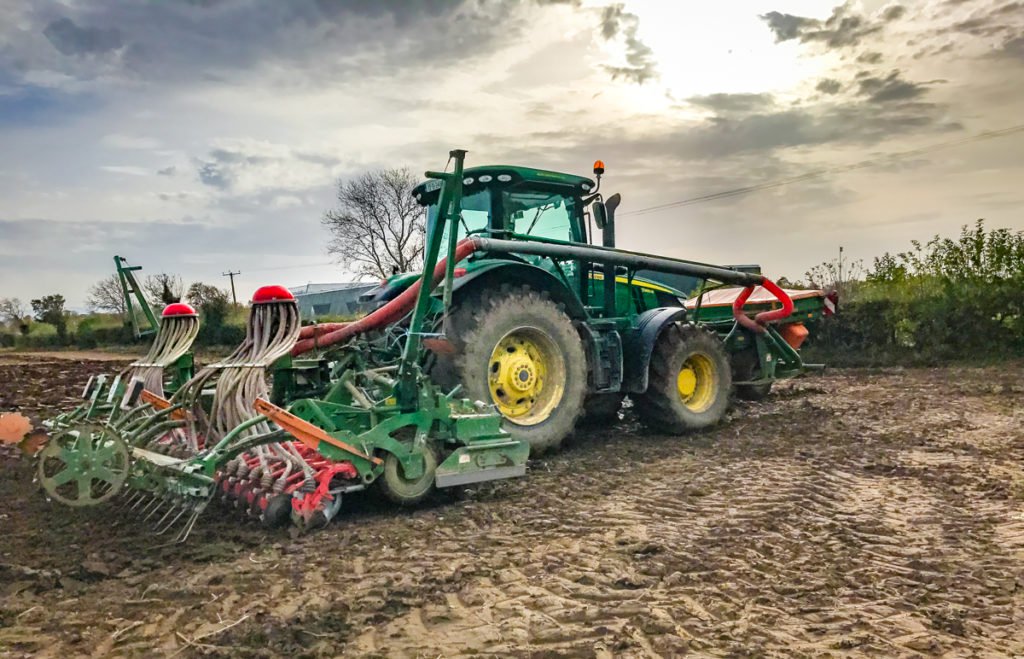
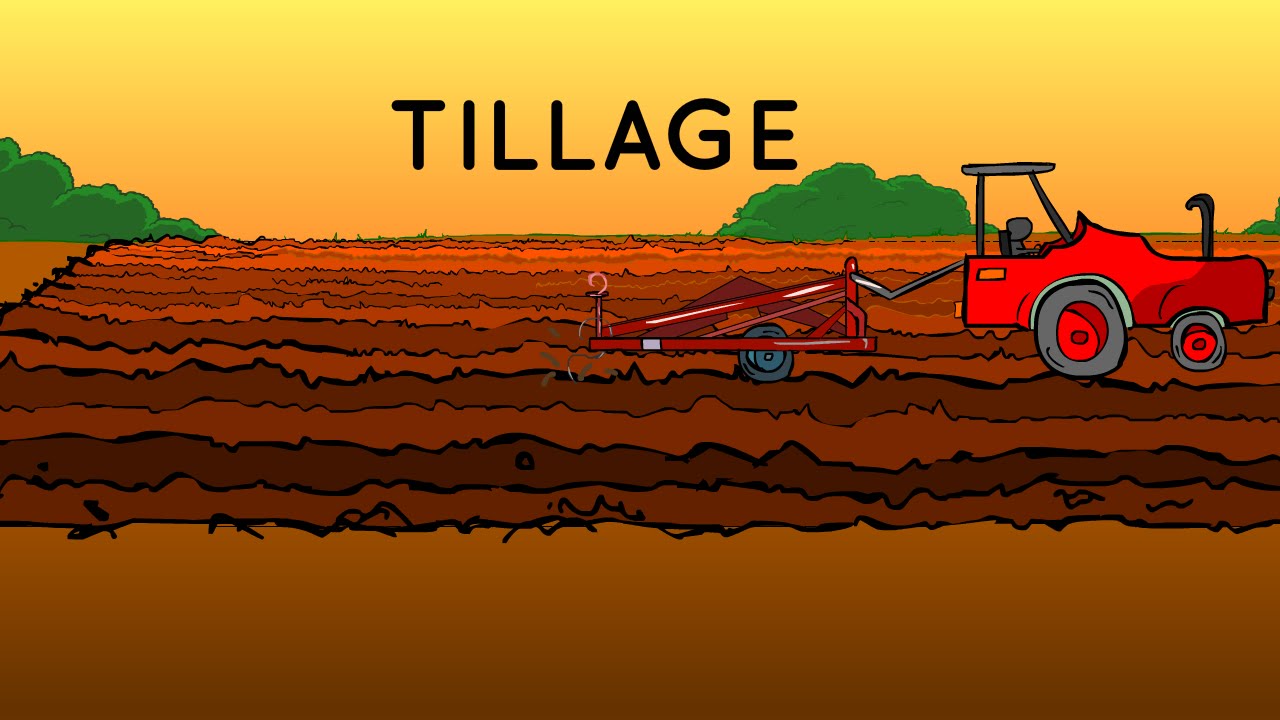
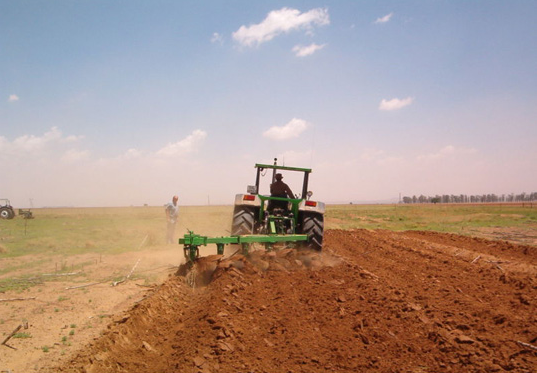
Introduction Field operations are carried out to increase the productivity of soul. Soil tillage is one of those operations. It is one of the most researched topics in agriculture sciences due to its direct impact on crop productivity and soil condition. Jethro Tull is regarded as the father of soil tillage who introduced it during
Introduction Globally, the resources of water are depleting and the rate of recharge of these resources is slow enough that situation of water shortage has been raised in many parts of the globe. According to United Nations, 40 percent of population on earth is facing water shortage and is projected to rise. Similarly, 783 million