Introduction The word Entomology is derived from a Greek word “entomone” and “logia”. If we look at the meaning of these two words, “entomone” means insects while “logia” meaning the study. Keeping this in view, we can define entomology as the branch of zoology that deals with the scientific study of insects. Furthermore, entomology also
Introduction Pest management has always taken important position while planning and organizing farm management. Climate change has introduced many new kinds of pest that didn’t exist before or not present in a particular place, but they have got suitable climatic condition now. This has increased the responsibilities of agriculturists all-round the globe to find against
Introduction Weeds are always a piece of headache for the farming community all over the world. This plant not only competes for the nutrients in the soil with the main crops in the field but also cause serious damage to the health of plants. In agriculture, great attention has been devoted to curtail the growth
Introduction In agriculture, crop rotation refers to growing of crops that are different from each other in successions on farm field in a specific period of time. In other words, it is growing of dissimilar crop or no crop during sequential seasons on the same of piece of land. The objective of crop rotation is
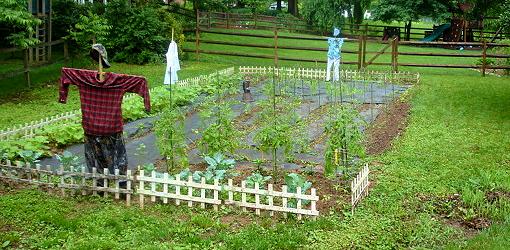
Introduction Vegetable gardening is simple and easy, and can yield successful crops year round. However, vegetable gardening can become quite complicated, especially for beginners, if the required steps are not followed. Besides, it can be challenging at times even for expert gardeners and therefore the produce doesn’t give anticipated results. To make things easy and
Introduction Principles in any field of knowledge provide the foundation stone of laws and manners of carrying out research and development activities in a systematic way to achieve the desired goals and objectives. In agricultural extension, there are also certain principles on which the subject matter is based on. These principles guide the agricultural extension
Introduction Agriculture sector is the backbone of economy for many nations especially in the third world. In addition to this, the sector is also the sole responsible for ensuring food security globally. So the importance of agriculture is of core importance for developed as well as for underdeveloped nations. As we all know, agriculture has
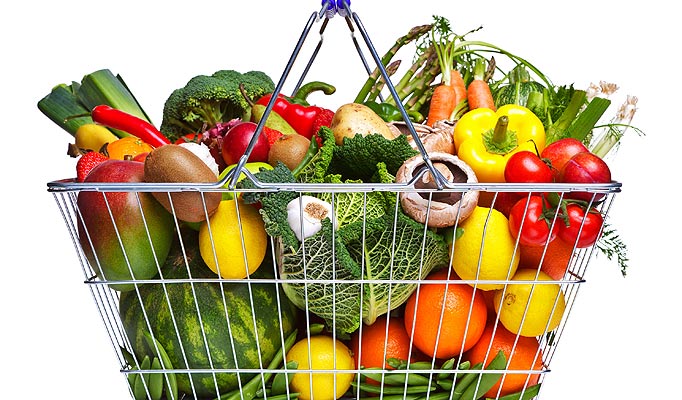
Introduction In part 1 of Horticultural Classification of Vegetables in Agriculture, it was presented that, vegetables are classified into 4 groups. This classification is based on a set criterion to understand, study and deal with each vegetable according to its peculiar requirements. The four classes were; Botanical features Life cycle Adaptation Edible and Economic Part
Introduction In agriculture sciences, there exists a proper system of classification for vegetables. The reason is to understand, study and deal with each vegetable according to its peculiar requirements. This article will discuss the horticultural classification of vegetables in agriculture. In general, vegetable are classified into 4 classes based on; Botanical features Life cycle Adaptation
Introduction Like agronomic classification, crops are further classified into two categories based on season and special purpose for which they are grown. This kind of classification allows easy understanding of crops, characteristics and their use accordingly for the agriculture students and knowledge seekers. This article is the extension of the previous article that presented 10